
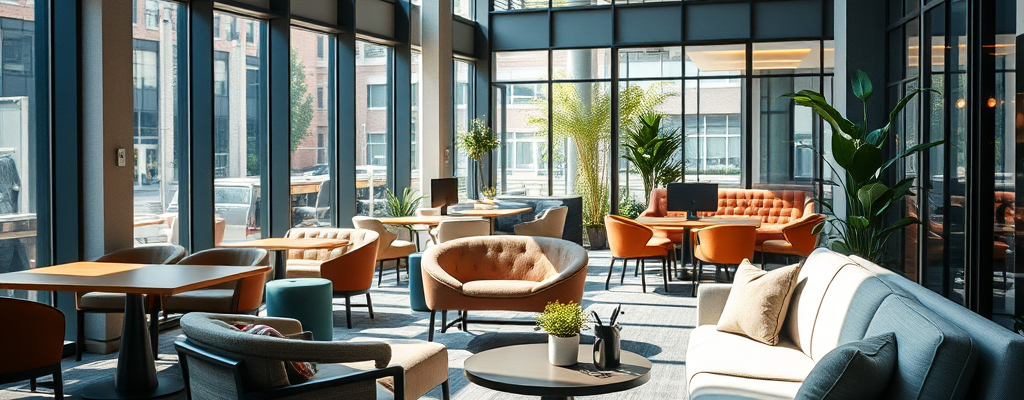
In recent years, office environments have undergone a transformation, driven by the changing needs and expectations of the modern workforce. Among the most notable shifts has been the rise of breakout office furniture. This type of furniture—specifically designed for informal, collaborative spaces—plays a significant role in promoting creativity, boosting productivity, and enhancing employee satisfaction. In this article, we’ll explore why breakout office furniture has become an essential part of contemporary office design, how it fosters a positive work culture, and the key benefits it offers to both employers and employees.
Why Breakout Spaces Are Essential in Modern Offices
As more companies adopt flexible work environments, breakout spaces have become crucial to maintaining a balanced office culture. Breakout spaces are areas within the workplace where employees can step away from their desks, connect with colleagues, and recharge. These spaces are typically furnished with comfortable seating, collaborative tables, and soft furnishings that create a relaxed atmosphere. Such spaces foster spontaneous conversations, brainstorming sessions, and casual meetings, which can lead to more innovative ideas and stronger team dynamics.
Traditional office setups—characterized by cubicles and isolated workstations—often restrict interaction. Breakout office furniture addresses this by encouraging a more open, social workspace that aligns with the increasingly collaborative nature of today’s work culture. As a result, businesses are recognizing the value of integrating these flexible areas within their offices to improve team morale and overall productivity.
Benefits of Breakout Office Furniture for Employers and Employees
- Enhanced Collaboration: Breakout spaces encourage employees to engage in informal discussions, fostering open communication. When workers can collaborate freely, they are more likely to generate new ideas and work more efficiently as a team.
- Increased Productivity: Studies show that allowing employees to take breaks in comfortable, informal spaces can boost productivity. Breakout office furniture provides a comfortable environment where employees can relax, refresh, and return to their tasks with renewed focus.
- Improved Mental Well-being: Breakout areas give employees a chance to step away from their desks and reduce stress. The flexibility to take short breaks in a relaxed setting can have a significant positive impact on mental well-being.
- Attracting and Retaining Talent: Modern employees, especially Millennials and Gen Z, value workplaces that offer flexibility and promote well-being. Offices equipped with breakout furniture signal to potential hires that the company cares about employee comfort and work-life balance.
- Adaptability and Flexibility: Breakout furniture is often modular, allowing companies to rearrange and adapt the space as needed. This flexibility is ideal for growing businesses that may need to change layouts or accommodate new teams.
Types of Breakout Office Furniture to Consider
In designing a breakout space, it’s essential to select furniture that aligns with the purpose of the area. Here are some popular types of breakout office furniture:
- Soft Seating: Sofas, armchairs, and cushioned benches provide a cozy, relaxed atmosphere where employees can unwind or engage in informal meetings.
- Collaborative Tables: Tables in breakout areas are typically designed for group work. These can range from small coffee tables for casual chats to larger tables for team projects.
- Modular Furniture: Modular pieces, such as moveable chairs and tables, allow for quick reconfiguration of the space. This adaptability is perfect for companies that value flexibility in their workspace.
- Privacy Pods and Booths: For those needing a quiet space to focus, breakout areas can also include privacy pods or acoustic booths. These are especially useful in open-plan offices, where some employees may need a break from noise and distractions.
- Standing Desks and High Tables: Incorporating standing desks or high tables in breakout spaces provides a change of pace from sitting all day. Standing options encourage movement and can be beneficial for health.
Creating a Productive Breakout Space
To maximize the effectiveness of breakout spaces, it’s essential to consider the layout and design carefully. Here are a few tips to create a productive breakout space:
- Choose Comfortable, Durable Furniture: Since breakout areas are likely to see high usage, invest in furniture that is comfortable yet durable. High-quality materials ensure that the space remains inviting and functional over time.
- Incorporate Natural Elements: Adding plants and natural lighting can make breakout spaces feel welcoming and reduce stress. Studies have shown that exposure to natural elements can improve mood and increase productivity.
- Balance Privacy and Openness: While breakout areas are meant for collaboration, it’s also essential to have spaces for quiet reflection. Consider creating zones within breakout spaces, such as open seating for group work and enclosed booths for focused tasks.
- Consider Technology Needs: Breakout spaces often serve multiple purposes, including meetings and remote work. Ensure that the furniture layout accommodates these needs by incorporating charging stations, outlets, and Wi-Fi access points.
The Future of Breakout Office Furniture
The concept of breakout office furniture aligns well with the evolving trends in workplace design. As remote and hybrid work models become more prevalent, offices are transforming from task-oriented spaces to places of collaboration and innovation. Breakout furniture will continue to play a vital role in this shift, as it enables companies to foster a welcoming environment that encourages employees to come together and collaborate.
Furthermore, as organizations recognize the impact of workplace design on employee well-being and productivity, investment in breakout office furniture is expected to grow. This type of furniture not only meets practical needs but also reflects a company’s commitment to a progressive, people-centered work environment. By adopting breakout furniture, companies are likely to see improvements in team dynamics, employee satisfaction, and overall performance.
In conclusion, breakout office furniture is more than just a trend; it represents a shift in how companies approach workspace design. With its emphasis on flexibility, collaboration, and comfort, this furniture has the potential to transform office environments and create spaces that support both professional growth and personal well-being.
 Furnito