
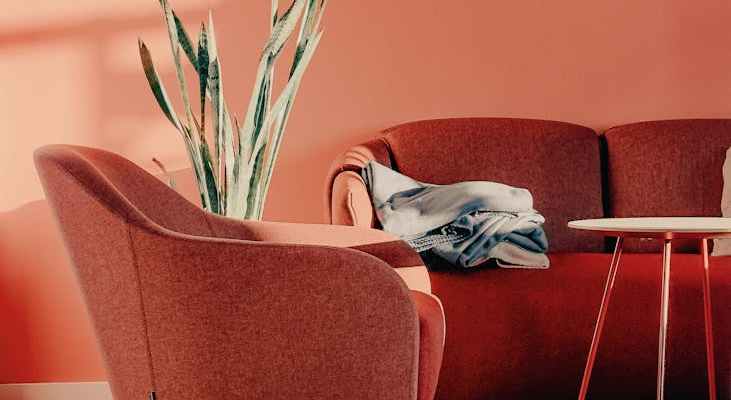
In today’s dynamic professional landscape, the design of office spaces goes far beyond functionality. Companies are shifting their focus to employee well-being, productivity, and collaboration. At the forefront of this transformation is breakout office furniture—a category that redefines traditional workspaces by introducing flexibility, comfort, and creativity.
What Is Breakout Office Furniture?
Breakout office furniture is designed to support informal work settings within the office. It creates areas where employees can step away from their desks to collaborate, unwind, or brainstorm. Unlike conventional desks and chairs, breakout furniture emphasizes versatility and ease of use.
Common examples of breakout furniture include:
- Modular seating that adapts to different layouts.
- High tables and stools for casual meetings.
- Lounge chairs and sofas for relaxed discussions.
- Acoustic pods or booths for private conversations.
- Multifunctional tables with integrated charging ports.
These pieces transform office spaces into more engaging and employee-friendly environments.
Why Breakout Spaces Matter
Breakout spaces, equipped with the right furniture, address key needs of modern workplaces. They provide an alternative to formal workstations, promoting a balance between focus and relaxation.
Benefits of breakout spaces include:
- Enhanced collaboration: Casual setups foster open communication and idea-sharing among team members.
- Improved focus: Employees can step into quieter areas for concentrated tasks, avoiding the distractions of open offices.
- Boosted creativity: Informal environments encourage out-of-the-box thinking.
- Stress reduction: Comfortable spaces give employees the opportunity to recharge, improving mental well-being.
Key Features of Breakout Office Furniture
Effective breakout furniture combines functionality with aesthetics. To create a productive breakout area, look for furniture that incorporates:
- Flexibility: Modular designs that can be rearranged to suit different needs.
- Durability: High-quality materials to ensure longevity and resistance to wear.
- Ergonomics: Comfortable seating that supports posture and relaxation.
- Technology integration: Features like charging ports and cable management for seamless connectivity.
- Visual appeal: Furniture that aligns with the office’s overall design and culture.
Designing the Perfect Breakout Area
To make the most of breakout spaces, thoughtful planning is essential. Consider these steps when introducing breakout furniture:
- Assess your office layout: Identify areas where breakout zones can fit without disrupting workflows.
- Understand employee needs: Survey your team to determine how they would use the space.
- Mix seating options: Include a variety of furniture types, from sofas to bar stools, to cater to different preferences.
- Incorporate greenery: Plants and natural elements can enhance the atmosphere and improve air quality.
- Choose multipurpose furniture: Select pieces that serve more than one function, such as tables with built-in storage.
For more ideas and trends in breakout furniture, visit:
https://leedsjournal.co.uk/modern-breakout-office-furniture/
The Benefits of Investing in Breakout Office Furniture
Breakout furniture is more than a design choice—it’s an investment in employee satisfaction and organizational efficiency. Companies that prioritize breakout spaces often experience:
- Higher employee morale: Providing comfortable spaces demonstrates care for the workforce.
- Increased productivity: Short breaks in inviting areas help employees return to tasks with renewed focus.
- Improved team dynamics: Informal settings encourage stronger interpersonal relationships.
- Enhanced talent retention: Modern, flexible offices are attractive to both current and prospective employees.
- Future-proofing the workplace: Breakout furniture adapts to evolving work styles, including hybrid and remote models.
Challenges and Solutions
While breakout furniture offers numerous advantages, its implementation comes with challenges. Limited office space, budget constraints, and balancing aesthetics with functionality are common concerns. These can be addressed by:
- Selecting compact, modular furniture for smaller spaces.
- Prioritizing high-impact pieces that maximize utility.
- Collaborating with interior designers to create cohesive layouts.
The Future of Breakout Office Furniture
As workplace trends continue to evolve, breakout furniture will remain a vital part of office design. It reflects a shift toward employee-centric environments that prioritize collaboration, flexibility, and well-being. The demand for adaptable, innovative furniture solutions is only expected to grow, shaping the offices of tomorrow.
Conclusion
Breakout office furniture is not just a trend—it’s a necessity in modern workspaces. By creating areas where employees can connect, focus, and recharge, companies can foster a culture of productivity and innovation. Thoughtfully designed breakout spaces equipped with versatile furniture are an essential investment for any organization aiming to thrive in today’s competitive landscape.
 Furnito