
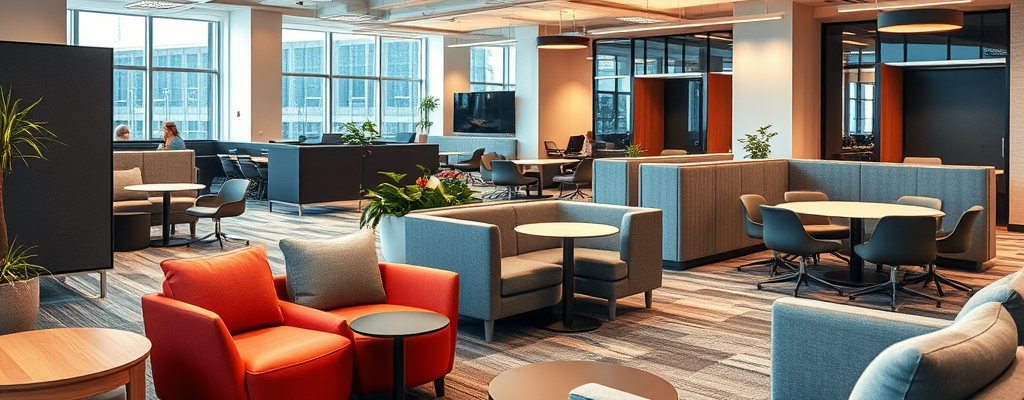
In today’s rapidly evolving work culture, the conventional office layout is being challenged like never before. The cubicle-heavy environments of the past are giving way to more flexible, human-centered designs. One of the most prominent developments driving this transformation is the rise of breakout office furniture — furnishings specifically designed to support casual interactions, mental rest, and impromptu collaboration. As businesses search for ways to optimize productivity while supporting employee well-being, these breakout areas have become indispensable components of effective workplace design.
Why Breakout Furniture Matters More Than Ever
With hybrid work models becoming the norm, the purpose of office spaces is shifting. No longer merely a place to perform daily tasks, the office now serves as a hub for social interaction, creativity, and team synergy. Breakout furniture plays a vital role in supporting this new function, providing flexible spaces that encourage both individual retreat and spontaneous group collaboration.
These informal zones allow employees to step away from structured work settings, offering a refreshing change of environment that can help reset the mind and improve focus. Whether used for a five-minute coffee break or a thirty-minute brainstorming session, breakout spaces are about providing freedom — not just physically, but mentally as well.
Key Characteristics of Functional Breakout Furniture
To fulfill its purpose effectively, breakout furniture must be both functional and inviting. Its design should balance comfort with purpose and aesthetics with practicality. There is no one-size-fits-all solution, but successful breakout spaces typically incorporate a variety of seating and table options that accommodate diverse working styles.
Some typical features include:
- Soft lounge seating for informal conversation
- Standing tables for short, energetic meetings
- Acoustic panels or pods to reduce distractions
- Mobile furniture that supports reconfiguration
- Durable, easy-to-clean materials suitable for shared use
- Integrated charging points for mobile devices
The goal is to create a space that feels distinctly different from the traditional workstation, signaling to users that it’s a zone for flexible thought, not rigid routines.
The Psychological Benefits of Breakout Spaces
Well-designed breakout areas offer more than just a change of scenery; they serve as cognitive resets. Research consistently shows that short mental breaks improve problem-solving, memory retention, and overall focus. By integrating breakout furniture into the workplace, companies create physical cues that encourage these essential breaks.
Moreover, these spaces support mental health by reducing stress and promoting autonomy. In an open-plan environment where distractions are abundant, a breakout zone can act as a buffer — a space where employees regain control over their environment and recharge without leaving the office altogether.
Encouraging Collaboration Without Formality
Collaboration doesn’t always require a conference room. In fact, some of the most impactful ideas emerge during casual, unscheduled conversations. Breakout spaces offer the perfect setting for these interactions. Unlike formal meeting rooms, they don’t carry the weight of structure or hierarchy, making them ideal for relaxed knowledge-sharing and creative dialogue.
This is especially important in workplaces with diverse teams, where breaking down barriers to communication can lead to improved inclusion and innovation. By giving employees a neutral zone to interact, breakout areas facilitate stronger interpersonal connections that might not develop in more rigid settings.
Practical Applications Across Industries
Breakout furniture is not limited to creative sectors or startups. Increasingly, industries such as finance, healthcare, and law are incorporating these spaces into their office designs. Their versatility makes them suitable for:
- Waiting areas or client lounges
- Project rooms for cross-departmental teams
- Employee wellness zones or quiet reflection spaces
- Hot-desking complements for mobile teams
- Temporary work spots during office transitions
With careful planning, breakout furniture can serve multiple purposes throughout the workday, maximizing the use of floor space and minimizing the need for permanent infrastructure.
Designing Breakout Areas for Maximum Impact
When creating breakout zones, companies must consider more than just furniture. Factors such as lighting, layout, noise levels, and visual privacy play a critical role in shaping how the space is used. Designers should ensure the space is welcoming, accessible, and in harmony with the broader office environment.
To be effective, breakout areas should feel like natural extensions of the workplace, not isolated add-ons. Location is key — placing these zones near departments that rely on collaboration or near communal areas such as kitchens can help integrate them more organically into the office culture.
For a deeper look at how breakout design can influence productivity and creativity, visit: https://www.bloommagazine.co.uk/business/modern-breakout-office-furniture-enhancing-productivity-with-innovative-design/
Conclusion
Breakout office furniture is not simply a trend — it is a reflection of broader shifts in how we work, interact, and think. As organizations adapt to new ways of working, they must consider how the physical environment can either support or hinder their goals. Thoughtfully designed breakout areas can boost engagement, encourage collaboration, and promote well-being — all while adding a layer of flexibility that modern offices increasingly require.
By recognizing the value of these dynamic spaces, companies position themselves not only as forward-thinking employers but also as architects of meaningful, people-centered workplaces.
 Furnito