
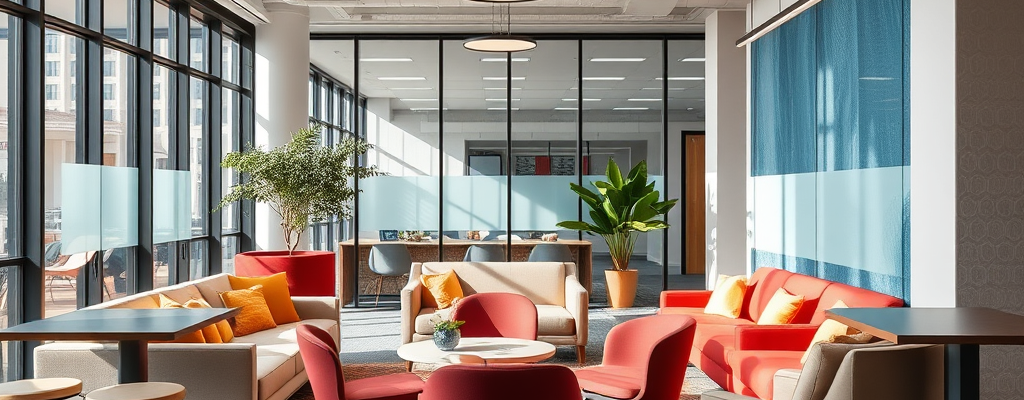
In today’s rapidly evolving work culture, office design has moved far beyond traditional layouts and static furniture arrangements. The modern workplace is about flexibility, creativity, and connection — values that are perfectly embodied in the concept of breakout office furniture. As organizations strive to create environments that boost productivity and employee satisfaction, breakout areas have emerged as essential components of a well-balanced workspace.
What Is Breakout Office Furniture?
Breakout office furniture refers to the furnishings specifically designed for informal and collaborative spaces within an office. These areas are not bound by the rigidity of desks and cubicles; instead, they offer a comfortable and relaxed atmosphere that encourages open communication and idea exchange. From modular sofas and lounge chairs to high tables and soft seating, breakout furniture provides a welcoming environment where employees can unwind, brainstorm, or have quick meetings away from their regular desks.
Such spaces reflect a shift in how companies view productivity — not as a measure of time spent at a desk, but as the outcome of a healthy, engaging, and dynamic work culture.
Why Breakout Areas Matter in Modern Offices
Creating designated breakout zones is more than just a design trend. They serve several key purposes that directly influence both employee well-being and company performance. Some of the most notable benefits include:
- Encouraging collaboration: Informal settings often spark spontaneous conversations that lead to new ideas and creative solutions.
- Enhancing productivity: Short breaks in a comfortable environment help employees recharge and return to their tasks with renewed focus.
- Improving well-being: Comfortable furniture, natural lighting, and relaxed atmospheres contribute to lower stress levels.
- Attracting and retaining talent: A thoughtfully designed workplace demonstrates care for employees and helps strengthen the company’s brand culture.
In many organizations, breakout areas act as the social heartbeat of the office, bridging the gap between structured meetings and casual exchanges.
Design Principles for Effective Breakout Spaces
A well-designed breakout zone must balance aesthetics and functionality. To achieve this, designers often focus on several core principles:
- Flexibility: Modular furniture allows teams to easily reconfigure spaces depending on the size or purpose of the gathering.
- Comfort: Soft seating and ergonomic elements create a relaxing yet functional atmosphere.
- Acoustics: Proper sound control helps ensure that these spaces do not disrupt others in the office.
- Color and lighting: The right combination of colors and natural or ambient lighting can inspire creativity and reduce fatigue.
The layout should promote flow and accessibility, allowing employees to naturally gravitate toward breakout zones without disrupting their workflow.
How Breakout Furniture Supports Hybrid Work Models
With hybrid work becoming the new norm, offices are increasingly designed as hubs for collaboration rather than places for solitary work. Breakout furniture plays a crucial role in this transformation. When employees visit the office, they often do so for meetings, teamwork, or creative sessions — all of which thrive in well-equipped breakout spaces.
By blending informal and professional elements, such areas make the transition between home and office work more seamless. They give employees the flexibility to choose where and how they work, reinforcing a sense of autonomy and trust.
Sustainability and Long-Term Value
Sustainability has also become a driving force in office design. Many modern breakout furniture solutions are crafted from eco-friendly materials, such as recycled fabrics or responsibly sourced wood. These choices not only support environmental goals but also add to the aesthetic appeal of the workplace.
Investing in durable, adaptable furniture is a long-term strategy that minimizes waste and ensures the office can evolve along with organizational needs.
The Future of Breakout Design
As workplaces continue to evolve, breakout zones will likely become even more central to office design strategies. Technology integration — from built-in charging ports to interactive screens — will make these areas smarter and more connected. Moreover, designers are exploring new ways to merge well-being and productivity, such as incorporating biophilic design elements, sensory zones, and flexible partitions.
Ultimately, the goal is to create environments that balance professional efficiency with human comfort — spaces that inspire people to collaborate, innovate, and feel genuinely connected to their work.
For more insights into how modern breakout office furniture is transforming workplaces, visit:
https://gb.kompass.com/p/posts-reviews/ua105689/modern-breakout-office-furniture-revolutionizing-workplace-collaboration/5987d0f1-6a97-4791-8938-950deaa126aa/
 Furnito